-24125.png)


There's a moment most of us know well. You're on the checkout page, staring at the price of a brand-new laptop, and a quiet voice asks: do I actually need this to be new?
It's a fair question — and increasingly, the honest answer is no. Here's why refurbished tech has gone from a compromise to, for many people, simply the smarter choice.
The maths of the first owner
New tech loses value the way new cars do: fastest in the first stretch of its life. The moment a laptop leaves the shop, a chunk of its price evaporates — not because the machine got worse, but because it's no longer "new." That word alone can carry a premium of several hundred pounds.
When you buy refurbished, someone else has already paid that premium for you. The machine itself — the chip, the screen, the keyboard you'll type on every day — is largely the same. What you're skipping is the cost of the shrink wrap.
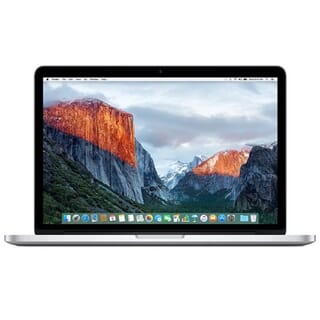
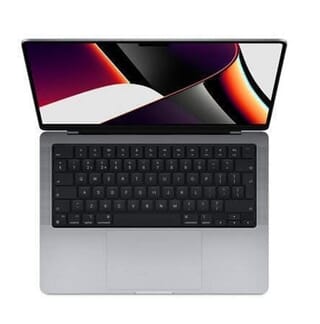
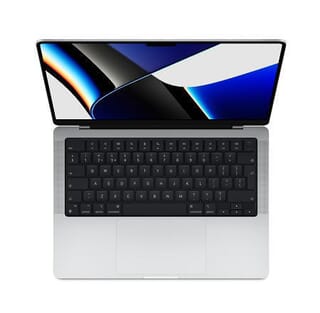
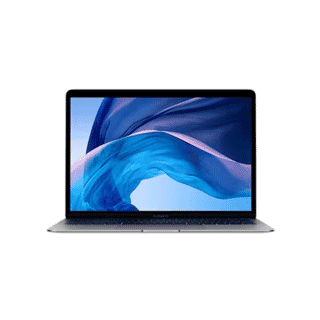
This matters more with modern Macs than it ever did before. Apple's shift to its own silicon (the M1 chip onwards) changed the ageing curve completely. An M-series MacBook from a few years ago still flies through everyday work: browsing, writing, video calls, photo editing, even light video work. The performance gap between "this year's model" and "three years ago" has never felt smaller in day-to-day use — which means the case for paying full price has never felt weaker.
The environmental bit (without the lecture)
You don't need to be an eco-warrior to care about this one, because the numbers are genuinely striking.
Most of a laptop's lifetime carbon footprint isn't from using it — it's from making it. Mining the metals, fabricating the chips, assembling and shipping the thing accounts for the vast majority of its environmental cost before you've ever pressed the power button. Using it for years afterwards is comparatively cheap, carbon-wise.
Which leads to a simple conclusion: the greenest laptop is almost always one that already exists. Every refurbished machine bought is one new machine that didn't need to be manufactured, and one working device that didn't end up in the e-waste pile — a pile the UK contributes to at one of the highest rates per person in the world.
You're not sacrificing anything to do this. You're just letting a perfectly good machine finish the job it was built for.
"But isn't refurbished just... used?"
This is the myth worth clearing up, because "refurbished" and "second-hand" are not the same thing.
A second-hand laptop from an online marketplace is a mystery box. You don't know how it was treated, whether the battery is on its last legs, or who you'd even call if it died a week later.
A properly refurbished machine has been through the opposite journey: tested, repaired where needed, cleaned, wiped, and graded honestly for cosmetic condition — then backed with a warranty. That last part is the real difference. A warranty means someone is accountable if something goes wrong. A marketplace seller who's deleted their account is not.
The grading system is worth understanding too, because it's where the savviest savings hide. Higher grades look essentially new. Lower grades might carry a scuff or two on the lid — the kind of mark your own laptop would pick up within six months anyway — at a noticeably lower price. If your laptop lives in a sleeve or sits on a desk, paying extra for cosmetic perfection is money spent on something you'll never look at.
Who actually benefits most?
Honestly? Almost everyone — but a few groups especially.
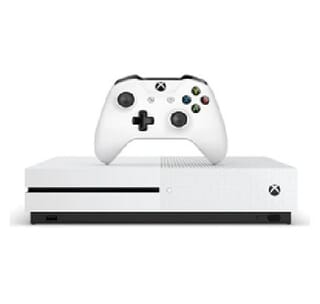
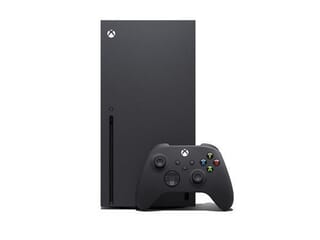
Students get the most obvious win: full capability for coursework at a price that doesn't require a loan extension, often with student discounts stacked on top. Parents buying a first laptop for a teenager can relax knowing that the inevitable knocks and spills aren't happening to a £1,500 machine. Anyone with a "good enough" workload — which is most of us, if we're honest — gets the Apple experience without the Apple invoice. And gamers can pick up consoles and headsets for a fraction of launch price, years into a console generation when the game library is at its richest.
The people who genuinely need brand-new, top-spec hardware — professional video editors, 3D artists, developers compiling huge projects — know exactly who they are. Everyone else is mostly paying for the box.
A quick checklist before you buy
Wherever you buy refurbished, a few things separate a good purchase from a gamble. Look for a clear warranty (twelve months is the gold standard), an honest grading system that tells you what condition to expect, a straightforward returns window so you can change your mind, and evidence that real technicians — not just a duster — have been through the machine.
If a seller offers all four, you're not taking a risk. You're just paying a fair price for a machine with most of its life ahead of it.
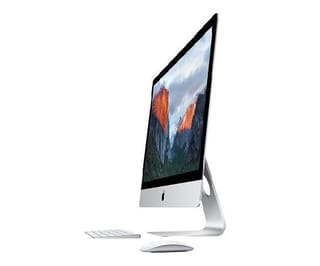
Thinking about making the switch? Have a browse of our current range of refurbished MacBooks, iMacs and more — every machine tested, graded and covered by warranty.